How to Grow and Use Lemon Verbena

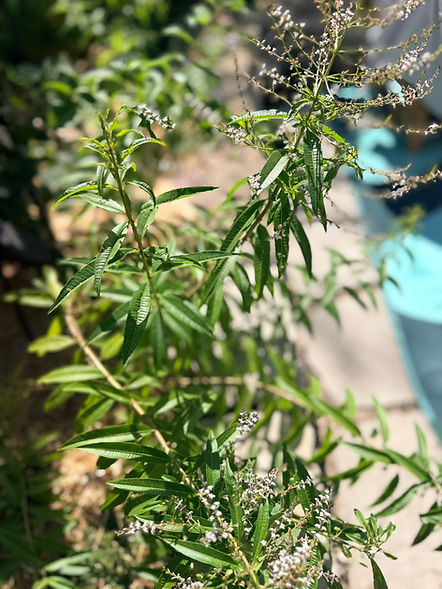
Some plants earn their place in the garden by what they feed you. Lemon verbena earns its place by the heavenly scent it gives off — brush a leaf between your fingers and you're met with the smell of freshly squeezed lemons, bright and sunny, the scent of summer itself.
Never grown Lemon Verbena and love the idea of growing something different? Let's work together.
What Is Lemon Verbena?
Lemon verbena (Aloysia citrodora) is a woody perennial shrub native to South America, prized for its intensely lemon-scented leaves. Unlike many herbs, its main draw isn't flavor — it's fragrance. A single brush of the leaves releases a citrus scent stronger than lemon balm or lemongrass.
Growing Lemon Verbena in Southern California
Lemon verbena thrives in the South Bay and greater Southern California climate. A few basics:
Sun: Full sun — at least 6 hours a day.
Soil: Well-draining soil; it doesn't like wet feet.
Water: Moderate. Let the soil dry out slightly between waterings once established.
Growing season: In Southern California's mild climate, lemon verbena holds on through nearly the whole year, unlike more tender annual herbs.
Size: It can grow into a woody shrub over time. Give it room and let it grow wild or give it a yearly prune to grow in a more compact space.
Harvesting Lemon Verbena
Snip leaves and stems as needed throughout the growing season. Regular light harvesting encourages bushier growth, similar to pruning basil. Harvest in the morning, after any dew has dried, for the strongest fragrance.
How to Use Lemon Verbena
While I primarily grow it as part of my garden sanctuary filled with my favorite sights, smells and sounds — it's just as welcome in my home. How to use lemon verbena in 3 simple ways:
Lemon Verbena Tea
Works with fresh or dried leaves. Steep fresh leaves for a lighter, brighter cup, or dry leaves ahead of time for tea year-round. A few sprigs added during the steeping portion of iced green tea also brings a subtle citrus lift.
From the garden:
10-12 fresh lemon verbena leaves or 1 tbsp dried
3-4 fresh mint leaves or 1 tsp dried (nice but not required)
1 strip of lemon peel (optional)
Create:
Boil 2 cups water.
Place the fresh leaves and lemon peel in a tea pot (or heat safe container). Pour in the boiling water.
Steep covered for 5 min. Pour into a mug.
Enjoy warm with sugar and lemon to taste.
Lemon Verbena Sachets
Dried lemon verbena leaves make a fresh alternative to lavender in scent sachets.
From the garden:
Gather leaves during a heavy prune so you have plenty to work from.
Create:
Remove leaves from the woody stem. Dry leaves using a standard air, dehydrator or oven method.
*Drying leaves can be tricky if the weather is a bit humid so have patience. I use a dehydrator or leave it on my counter to dry, checking and tossing it often. It can take several days.
Fill a muslin bag, or cheesecloth with the dried leaves.
Drop into a drawer.
Lemon Verbena Simple Syrup
Lemon Verbena has a strong lemon-herbal scent to it. It is a lovely addition when mixed as a simple syrup and used over berries, yogurt, and ice cream. Or drop a cube into sparkling water, ice tea or vodka for a refreshing summery drink.
From the Garden:
1-2 cups fresh lemon verbena leaves
From the Kitchen:
1 cup sugar
1 cup water
Create:
Crush the herbs with your hands to lightly bruise the leaves. This brings out the fragrant oils.
Combine the water and sugar in a saucepan. Heat until the sugar has dissolved.
Remove from heat. Add the leaves, cover and steep for 30 min.
Strain the liquid into measuring cup. Pour into ice cube trays, freeze.
Enjoy!
Herbal Tub Tea
Lemon verbena also works beautifully in an herbal bathtub tea. Check last week's blog post.
Now Booking: Fall Food Garden Designs
August is the best time to plan your fall garden — broccoli, kale, and cauliflower can go in as early as September. I'm now booking fall garden designs. Details are here or call/text me at 424.398.9371. Email: lisa@flourishfeastgardens.com
Want more like this? Sign up for my newsletter here.
Frequently Asked Questions (FAQ):
How often should you prune basil? During the warm sunny months, I recommend checking it every other day if the plant is established. Frequent, light pruning keeps basil bushy and productive all season, rather than one big harvest followed by flowering.
Why is my basil flowering already? Basil flowers naturally as it matures, especially in heat — it's the plant's way of trying to go to seed. Regular pruning delays this, so if your basil is flowering early, more frequent pinching usually solves it.
Can I freeze basil without blanching it? Yes. Unlike some vegetables, basil doesn't need blanching before freezing. Chopping it and freezing it in cubes with a little water or oil works well and preserves flavor for months.
Does basil regrow after cutting? Yes — that's the whole idea behind this method. Pinching just above a leaf set encourages two new stems to grow from that point, which is what creates the bushier, fuller plant over time.
Is basil good for anything besides cooking? Yes! I'm actually not a fan of pesto which is how many people use it. So I've found many other non-culinary uses — basil's aroma makes it a nice addition to bath soaks, skin scrubs, and other simple wellness rituals, beyond its more familiar use in the kitchen.


Comments